The Carmel Kitchen That Did Not Need a Full Tear Out
One homeowner near 116th Street called us after a slow dishwasher supply line had been seeping for what she guessed was three or four days. Two restoration companies had already quoted her. Both proposed removing the lower cabinets, the toe kicks, and roughly 80 square feet of hardwood. The numbers landed near 14,000 dollars before insurance.
When our estimator arrived, he pulled out a penetrating moisture meter and a thermal camera. The cabinet kick plates read elevated at the front, but the subfloor under the run measured within normal range once we moved six feet back from the dishwasher. The hardwood cupping was real, but localized to a 22 inch zone. We wrote a scope for targeted cabinet removal, three days of injection drying with an air mover under the toe kick, and a refinish on the affected boards. Final invoice ran 3,180 dollars. Her adjuster approved it the same afternoon. The lesson here is straightforward. A free inspection should narrow the work, not inflate it, and a careful look at dishwasher leak water damage often reveals less destruction than panic suggests.
She called us back six weeks later, after the floors had been refinished and the cabinets reset, to ask whether she should have done more. We ran a follow up moisture check at no charge. Every reading was back to baseline. That second visit took 20 minutes and confirmed the original scope was right. We document those returns because adjusters in North Vernon occasionally want proof the drying actually worked before they close out a claim.
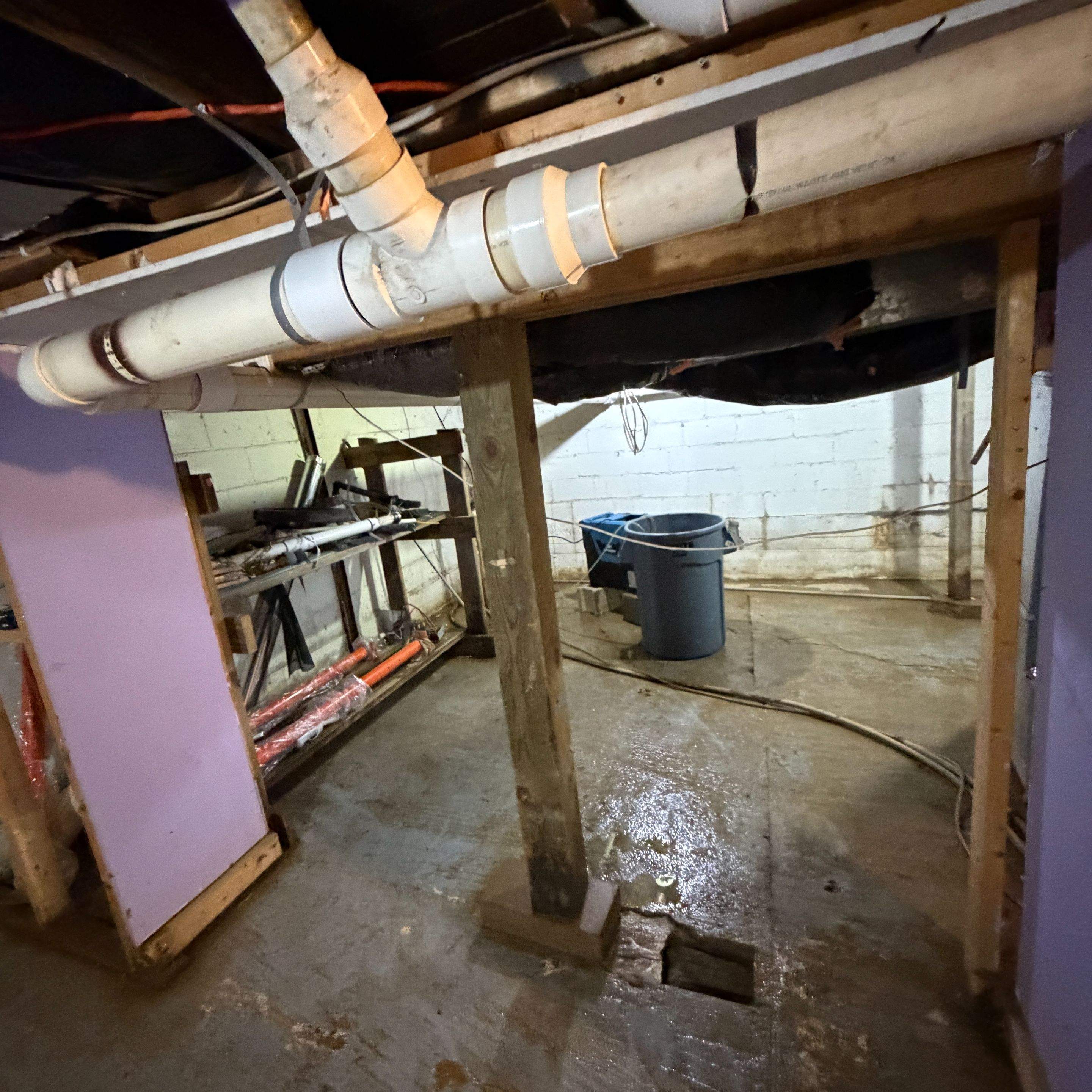
The Fishers Basement Where We Said No
A retired couple in North Vernon called after finding two inches of standing water near their water heater. By the time we arrived at 9:30 that night, the leak had stopped on its own. A pressure relief valve had failed and dumped maybe 40 gallons before the tank emptied. The water had pooled on sealed concrete, traveled six feet, and stopped at a floor drain.
We ran moisture readings on the lower drywall, the baseboards in the finished side, and the carpet pad in the adjoining room. Everything came back dry or within acceptable range. The homeowner had already mopped most of it up. We told him to run his own dehumidifier for 48 hours, replace the relief valve, and call us only if he saw any discoloration on the drywall in the next week. No charge. No upsell. He sent us three referrals over the following year, which is why we built the inspection process around honesty in the first place.
The Westfield Crawl Space Surprise
A homeowner off State Road 32 called because her utility bill had jumped 60 dollars and she heard dripping under her bedroom. She thought she needed a plumber. When our estimator opened the crawl space hatch, the vapor barrier was floating. A pinhole in a copper line had been spraying mist for an estimated three to five weeks. Mold colonies had already started on two floor joists.
That free inspection turned into a 7,400 dollar scope covering water extraction, antimicrobial treatment, joist sanding, vapor barrier replacement, and dehumidification. Her homeowners policy covered 6,100 of it after the deductible. Without the inspection, she would have replaced a faucet and ignored the rot for another six months. If you suspect anything similar, our notes on crawl space water damage walk through the same diagnostic logic.
Why the Estimate Stays Free
People ask why we do not charge a trip fee like some plumbing companies. The answer is practical. A real estimate takes us about an hour. We bill it as marketing because honest scopes generate referrals, repeat work, and fair insurance approvals. North Vernon Water Restoration is BBB A plus accredited and has served central Indiana since 2018 on exactly that math. You should never pay just to find out what is wrong with your house. If a restoration company in North Vernon wants 150 dollars to walk through your property and take moisture readings, get a second opinion before you write the check.
We also do not require a signed work authorization before the inspection. Some companies bury that clause in their intake paperwork, which obligates you to use them if any damage is found. Read the fine print on any free estimate. A real free inspection should leave you with photos, readings, a written scope, and zero pressure. If you choose to call someone else after we leave, that is your right, and our estimator will still hand you the documentation.
What Actually Happens During the Free Visit
An estimate visit in North Vernon usually takes between 45 and 90 minutes depending on square footage and complexity. Here is what your technician brings and uses on site:
- A calibrated penetrating and non penetrating moisture meter, a thermal imaging camera, a hygrometer for relative humidity, written scope sheet, and photo documentation for your insurance file.
The technician will walk the affected rooms, take readings on every wet material, photograph each finding, and then sit down with you to explain what is Category 1 (clean), Category 2 (grey), or Category 3 (black) water. That classification drives everything else. A clean supply line break is not the same job as a sewer backup, and the cost ranges are not comparable. If your situation is closer to a sewage cleanup scope, the inspection will flag it immediately because of the health implications.
We also document the source of loss in plain language because insurance carriers reject vague claims. A note that reads "sudden discharge from braided supply line at angle stop, observed pooling on subfloor" travels through an adjuster's desk faster than "water leak in kitchen." Our estimators in North Vernon have learned which carriers want photos of the failure point, which want serial numbers off the failed appliance, and which want a plumber's invoice attached. That groundwork during the free visit saves homeowners weeks of back and forth later.
When to Call Tonight Versus Tomorrow Morning
Active leaks, standing water, sewage exposure, and anything that smells musty after 24 hours should get a same night call. Slow ceiling stains that have not grown in a week can wait until business hours. The earlier we read moisture, the smaller the scope tends to be. A pipe break caught in six hours often dries in three days. The same break caught at day five usually means drywall removal, insulation replacement, and potential framing concerns.
One North Vernon customer waited a long weekend because the stain "looked dry." By Tuesday the ceiling drywall had sagged two inches and the insulation above was saturated. What would have been a 1,400 dollar dry out became a 5,200 dollar repair. Time is the single biggest variable in any water loss, and a free inspection costs you nothing except the phone call.